Nutrition
Beyond Calories: What Vitamins and Minerals Add to a Food Diary
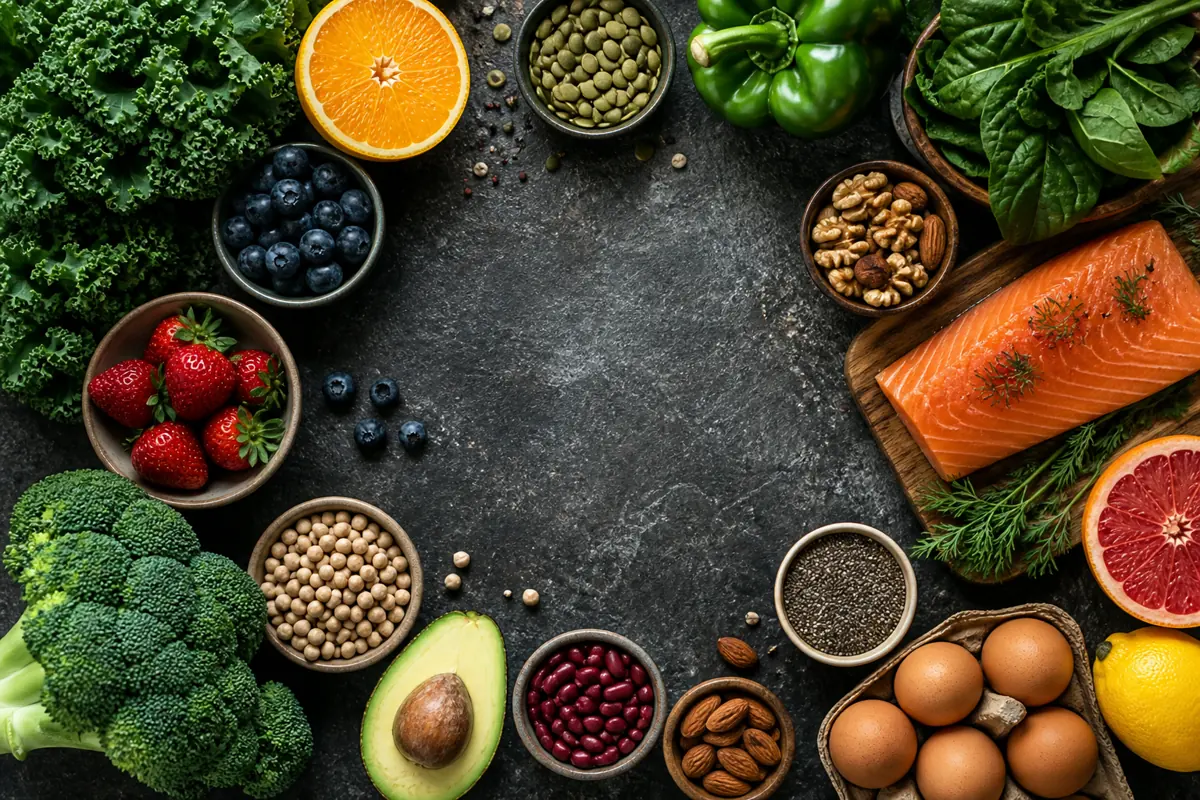
Calories show how much energy was logged in a meal. Protein, carbohydrates, and fat add the macro split. When vitamins and minerals appear in the same diary, it becomes easier to understand what shaped the day and which meal patterns keep returning.
One Meal, a Wider View
Describe the meal once. CaloTec-AI returns calories and macros in the same result. The result also includes vitamins A, C, D, E, K, B6, B12, and folate, alongside iron, calcium, magnesium, and zinc. Every value stays connected to the foods that produced it.
Start with ordinary food language — "a bowl of yogurt with oats, banana, and nuts" — and get a fuller nutrition entry without typing each value separately.
What Happens After Saving
The meal values join the daily totals. Breakfast, lunch, and dinner meet in the same view, while progress against your targets updates through the day.
Open the details to see macros, vitamins, and minerals alongside everything already saved in the diary.
See Which Meals Change the Summary
With every meal in one place, you can see which one added more protein, where vitamins and minerals entered the day, and which extras changed the values.
This becomes especially useful when comparing two different breakfasts or a home-cooked meal with something picked up on the way. The pattern comes directly from the entries.
A Detailed Description Organizes the Values
"Soup" is a starting point. "One bowl of lentil soup with carrots and a teaspoon of oil" gives the analysis more ingredients and a useful amount to display and edit.
Use a tablespoon, cup, slice, bowl, or item. After analysis, review the foods, adjust what needs changing, and save.
Daily Progress You Can Read at a Glance
Totals and progress bars show what accumulated from saved meals. Instead of reopening every dish, check the summary to see where the day stands.
That view can guide the next meal and draw attention to values that appear often or rarely make it into the diary.
Make Tracking Part of the Routine
- Describe the meal by voice or text.
- Edit the returned foods and amounts.
- Save and watch the values join the day.
- Return to the summary when choosing the next meal.
Calories remain part of the picture. Vitamins and minerals simply let you see more of it.
Want to shorten meal logging?
Download, describe what you ate, and review the estimate before saving.